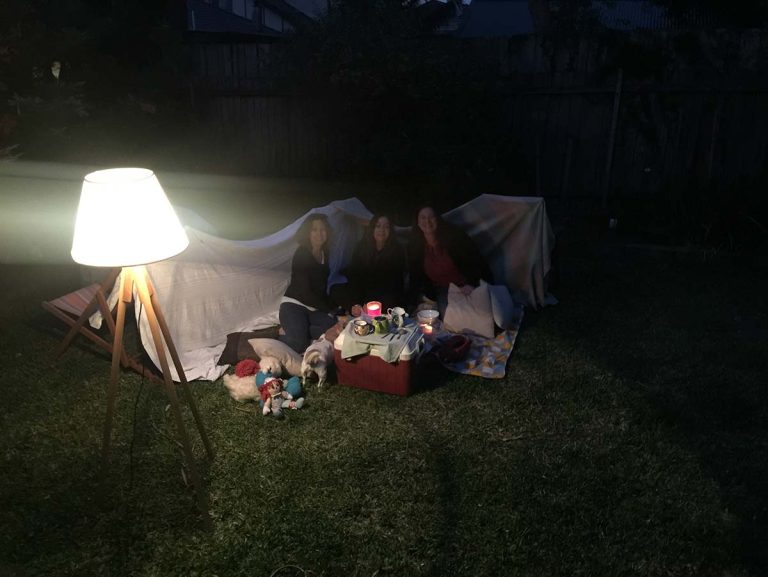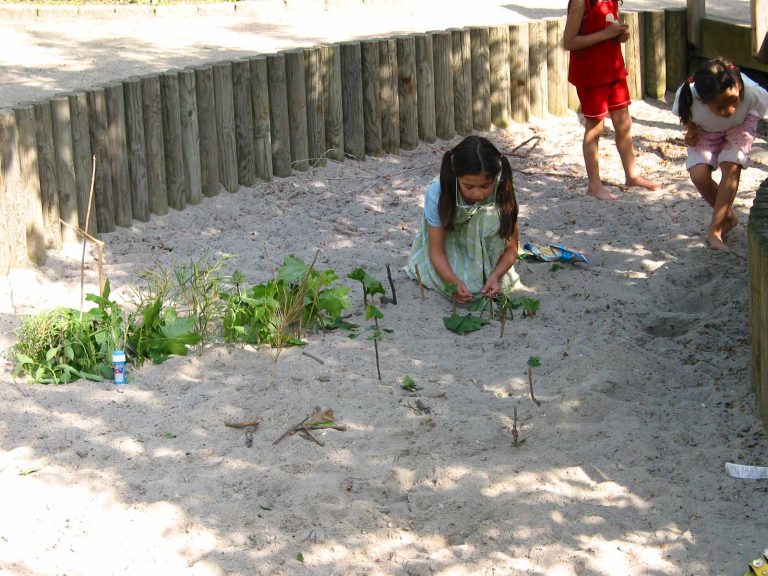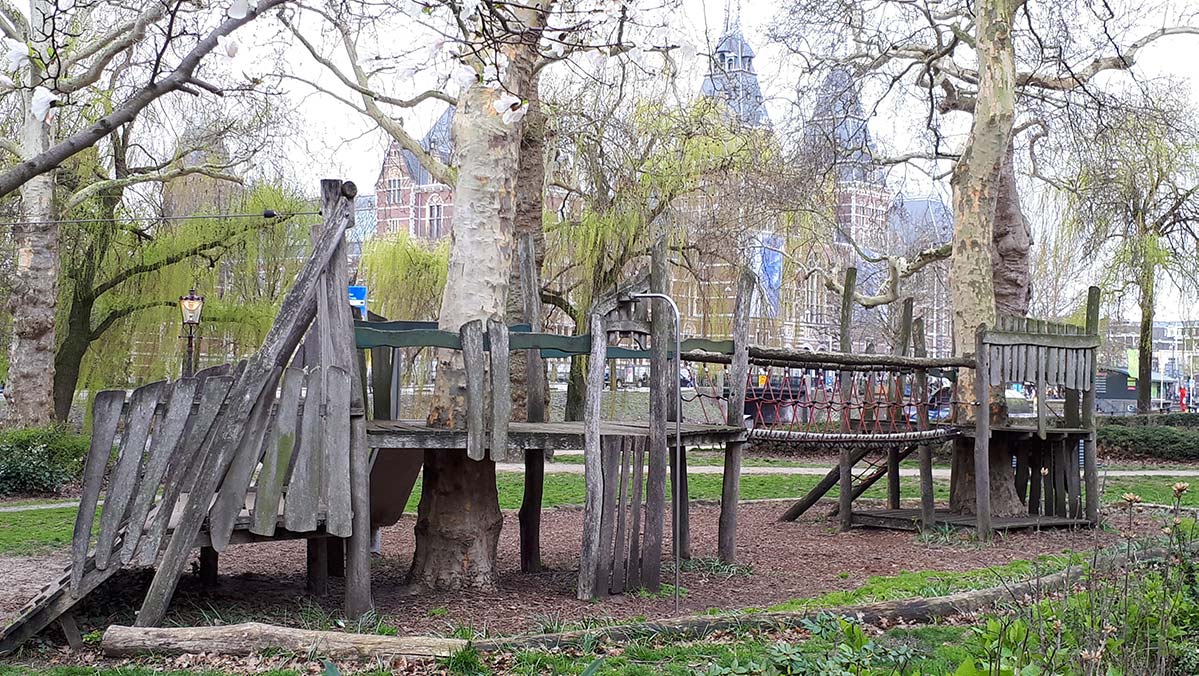
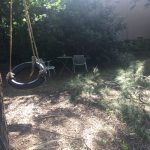
Outdoor play areas provide resources and space for children and adults to play, rest and socialise. Playgrounds should provide less structured, natural materials and resources to stimulate the imagination and encourage creative play. Objects that can be moved and creatively adapted generate more engagement and creativity amongst users. Accessible playgrounds and those that include sensory features, such as plants that smell or feel interesting, ensure access for users of different ages and abilities. Playgrounds should provide several different areas for children and adults to group as well as to run and move.
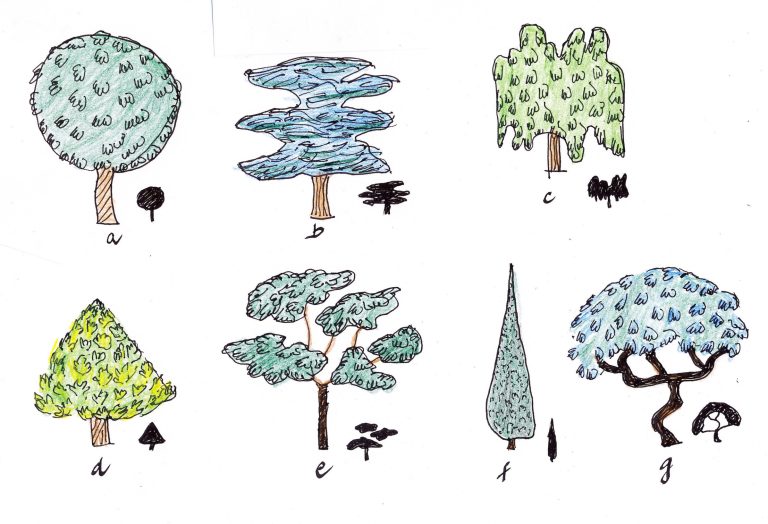
Outdoor play areas should be well shaded for access on warm days and allow for sunlight in winter. Unshaded artificial surfaces can get excessively hot during summer and should be avoided. In addition, adequate infrastructures of care should be made available – for instance water drinking fountains, seating to rest and accessible toilets. Outdoor play areas should be centrally located and there should be enough of them in a given area for locals to access easily on foot.