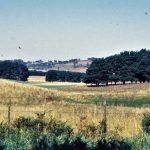
Cool Winds
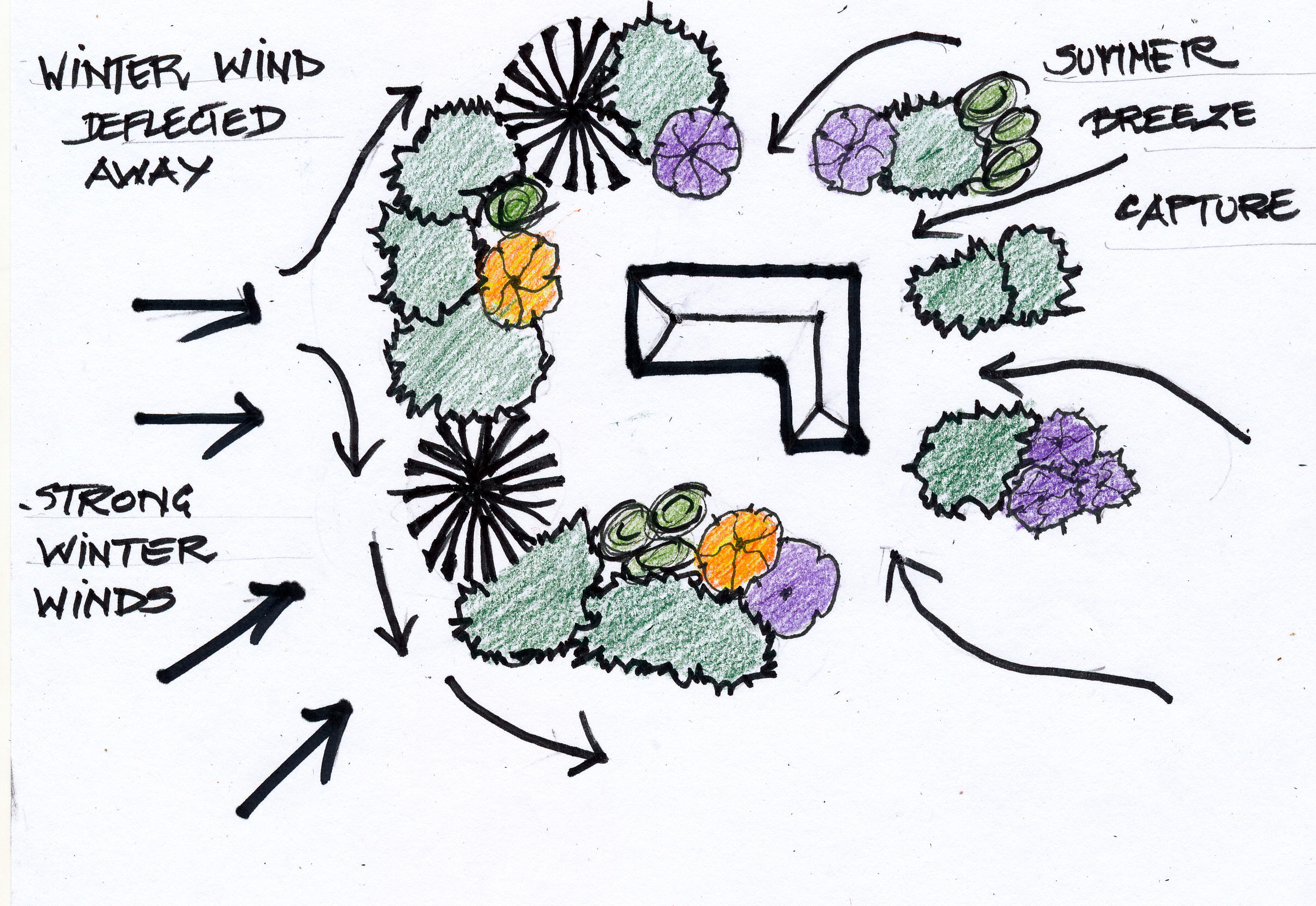
*Site planning for coolth requires mapping prevailing winds; cool winds in summer and cold winds in winter.
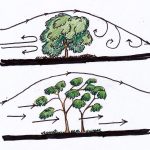
*Using tree planting to direct cool winds and block cold winds, can create turbulence on both sides of solid barriers. This contrasts with open canopy and open fencing, where the wind can pass through without turbulence. Groves of trees, rather than rows, effectively channel prevailing winds and achieve greatest density of canopy when species are mixed.
**Canopy Density is increased when trees are crowded; crown branching changes with crowding, providing shorter primary branches and more than twice the volume of other branches. The branching is flatter and crown volume is bigger.
*** Sun/Shade
Site planning for coolth also requires a sun/shade analysis for 9.00am, 12.00pm, 4.00pm throughout winter & summer.
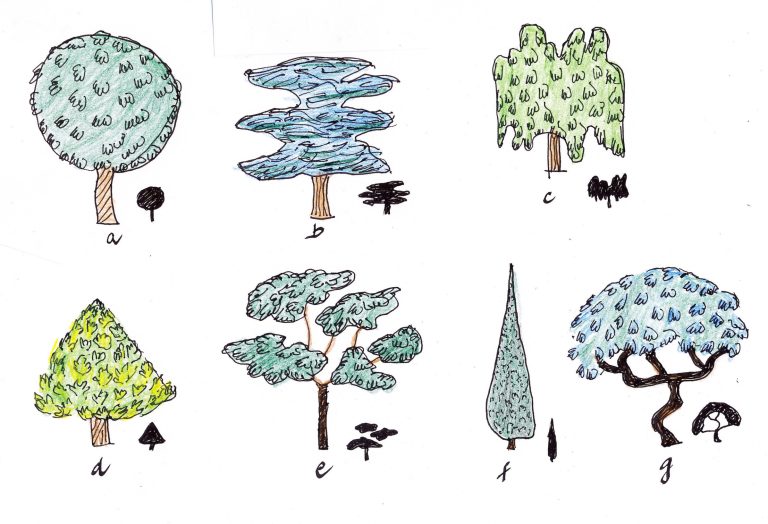
Winter sunlight is best achieved with deciduous trees. The quality of shade depends on trees’ attributes including leaf area; high branch density; multiple canopy layers; canopy transmissivity; canopy size and projection and canopy ventilation.