

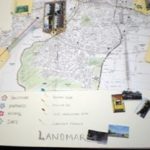
Post-occupancy studies are protocols for evaluating the technical performance of (called post-occupancy analysis) and/or social satisfaction with (called post-occupancy evaluation) single or multi-residential buildings after residents have moved in. This pattern seeks to extend current post-occupancy studies to emphasise the importance of learning from the experiences and practices of a community of residents. Such ongoing learning is critically important if the aim is to create liveable and sustainable places, as it could validate goals, help identify and address emerging issues and opportunities, and feed back into planning processes as a form of ‘continuous improvement’ and lifecycle planning.
Post-occupancy learning requires community engagement and outputs that can form a durable record of a living place to inform learning over time. This approach foregrounds and validates community expertise in the lived context, which is under-represented in the literature about liveability. Community stakeholders may initiate engagement around a particular common concern, on a one-off or regular basis. Concerns might be explored via regular resident walking meetings, workshops or social ‘living labs’. Mechanisms to ‘carry over’ learning to improve the planning and development process needs to be created, with precedents existing in the form of collaborative governance arrangements (see Report). Post-occupancy learning could facilitate enhanced openness and trust and enable community-led innovation in planning and development processes. It could also prime communities to explore the transition to new practices, for example energy sharing, or new forms of water or waste management. Citizen science projects recording local weather and aspects of environmental change are a form of post-occupancy learning. Retaining collected data in a local library (in addition to handing it over to the investigating body [e.g. Australian Museum or Bureau of Meteorology]) would enable future generations of residents to access this data and facilitate intergenerational place-based learning. Adopt a tree programs, where residents ‘adopt’ a young local tree planted by council and take responsibility for monitoring its health as it grows, is another example. In this case, succession planning is important, including mechanisms for intergenerational communication.