
A key to producing place-based coolth will be a community of commoners who are prepared to initiate action and maintain the social and physical infrastructure that supports this action. Such a group will need a mode of organization and governance that is suited to this task. This could take the form of a registered non-profit organisation/ governing body, set up by elected representatives from within the residential community. In general, this body is voluntary, it enjoys autonomy and it does not have statutory powers over ownership, tenancy and so on.
This form of community governance will enable the concerns of the residential neighbourhood or community/ housing complex to be addressed. These concerns can include:
- Management, maintenance and upkeep of common areas and facilities, including other cool commons.
- Communication about cool places and cool/shaded times for different locations in the local area throughout the year.
- Individual initiatives such as recycling, composting, community gardens, pedestrian infrastructure, shared playgrounds, upgrading of parks, signage and so on.
- Orientation and spreading awareness of neighbourhood concerns within the membership, and connecting the neighbourhood to local governance mechanisms.
- Arranging regular meetings, gatherings, cultural events, fundraising and so on.
- Connecting with other community organizations concerned with local amenity, for instance Bushcare groups, service associations, churches, mosques or temples.
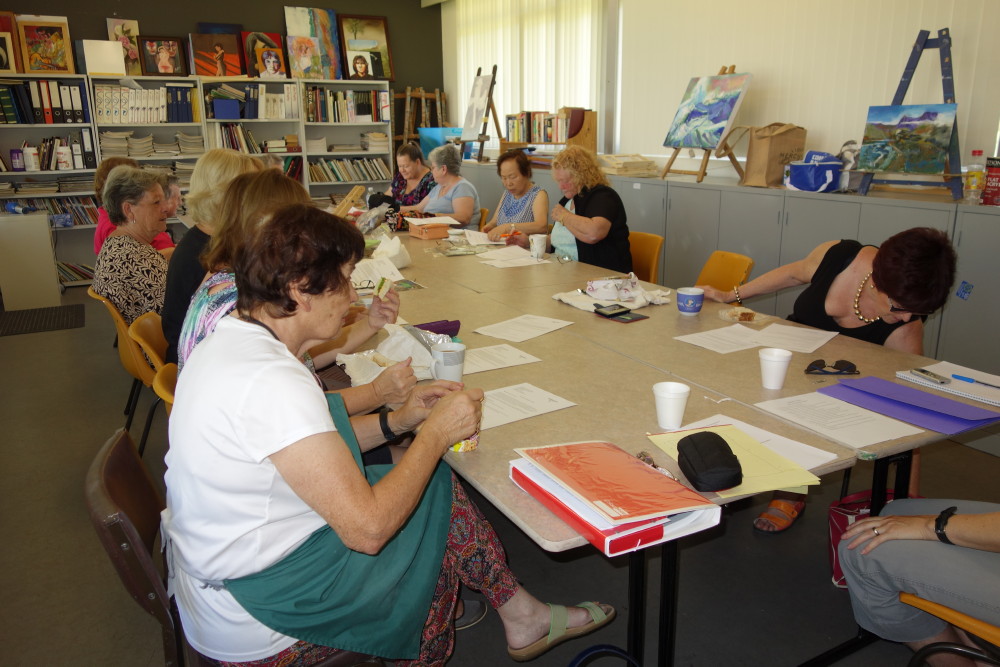
More broadly, community governance can be integrated with strategic activities like a social enterprise lab where ideas are pitched for new ways to sustainably enhance commoning and to put new ideas into the public domain, or activities to promote the membership of other community-led groups – The Seniors Hub in Waverton NSW for instance provides a good hybrid model for interests groups, it assists with aging in place run and is by volunteers but supported by the local council (see references and resources).